No. 15 · The Screen Culture Thread · Texas, USA
Dad's Garage
Road movies · garage culture · the America of the screen
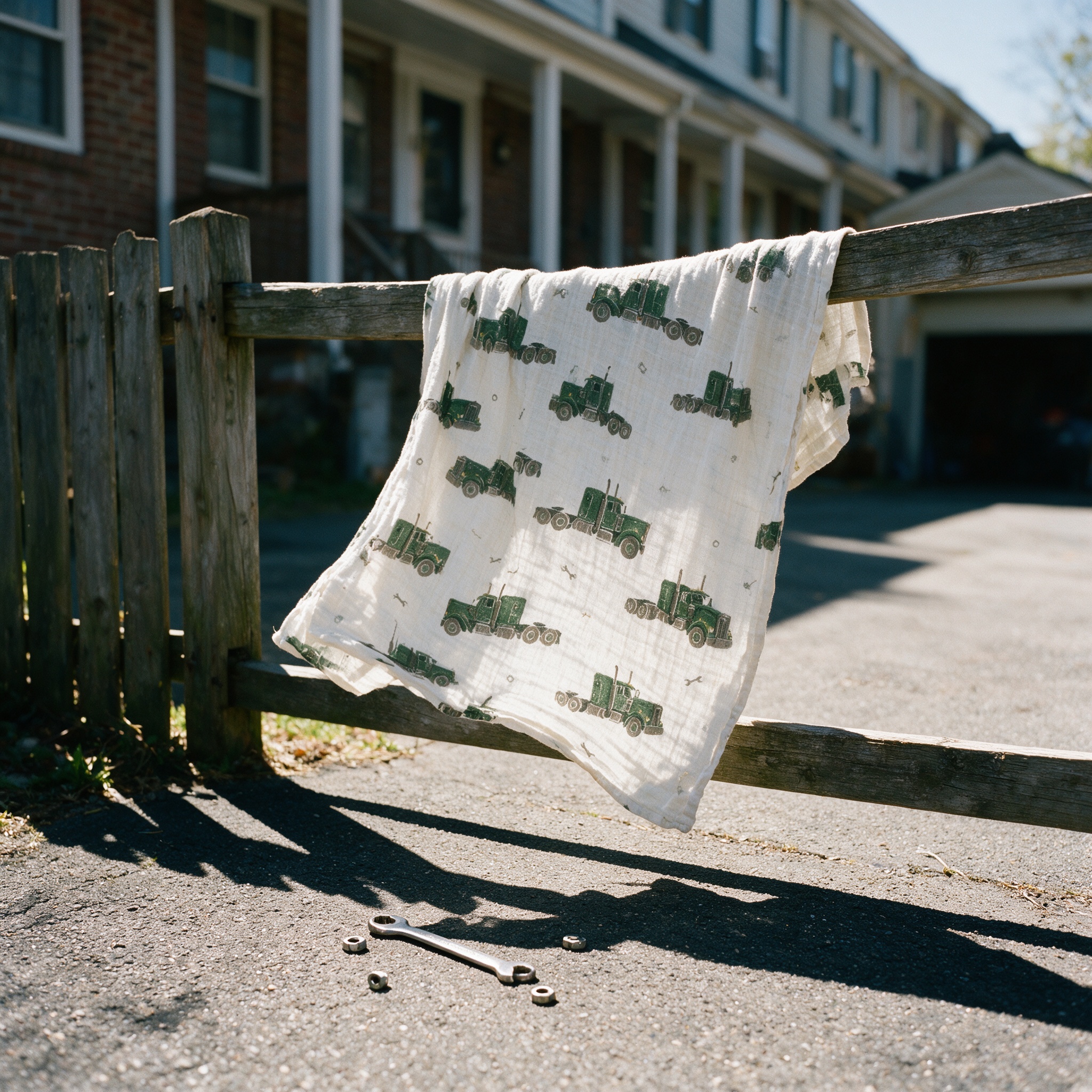
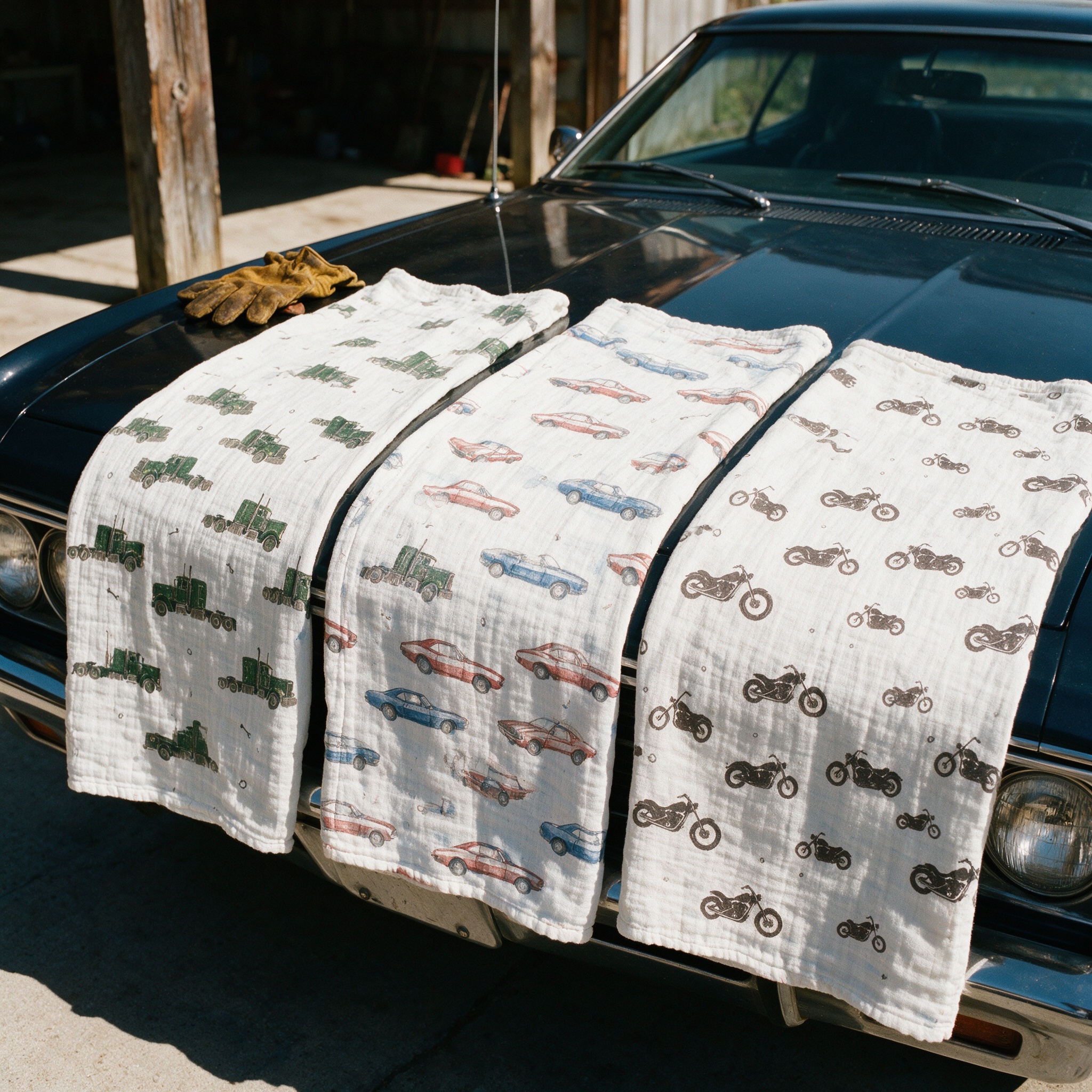
Three vehicles of the American screen: the long-nose truck is the "workwear leading man" of westerns and road movies — the father who drives far, fixes anything, and says little. The muscle car wants speed; the cruiser motorcycle wants distance — three vehicles, three American longings.
In the middle-American home, the garage was never just for parking — tools on the wall, licence plates from every state, old magazines on the floor: half a living room, half an adolescence. This chapter is not about any one garage, but the one the screen keeps returning to.
Like The Saddle: no story, no hidden eggs, no BGM. Saying clearly "this is the America of the movies" is enough.
Three draft plates — long-nose truck / muscle car / cruiser motorcycle. The three kinds of people in this garage.
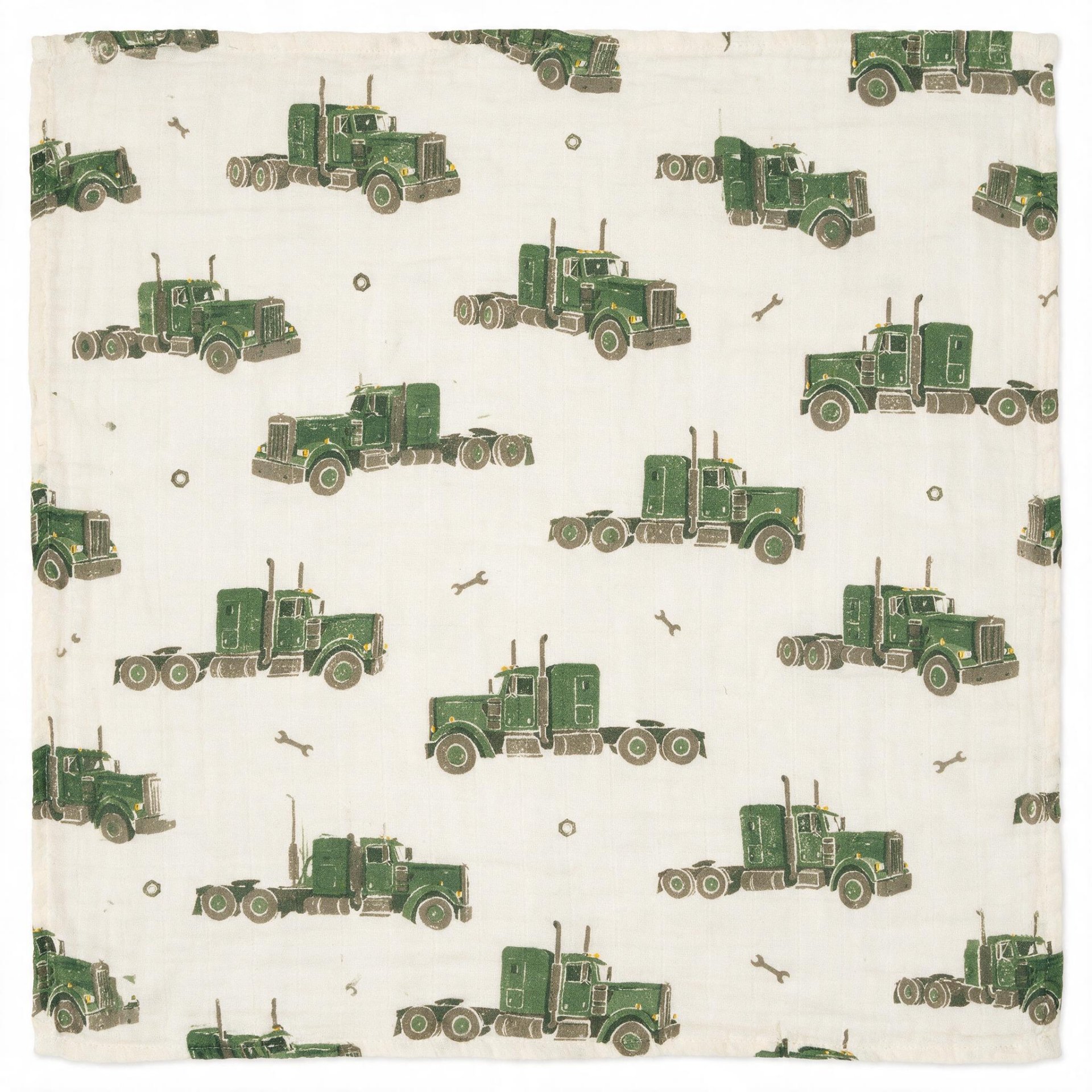
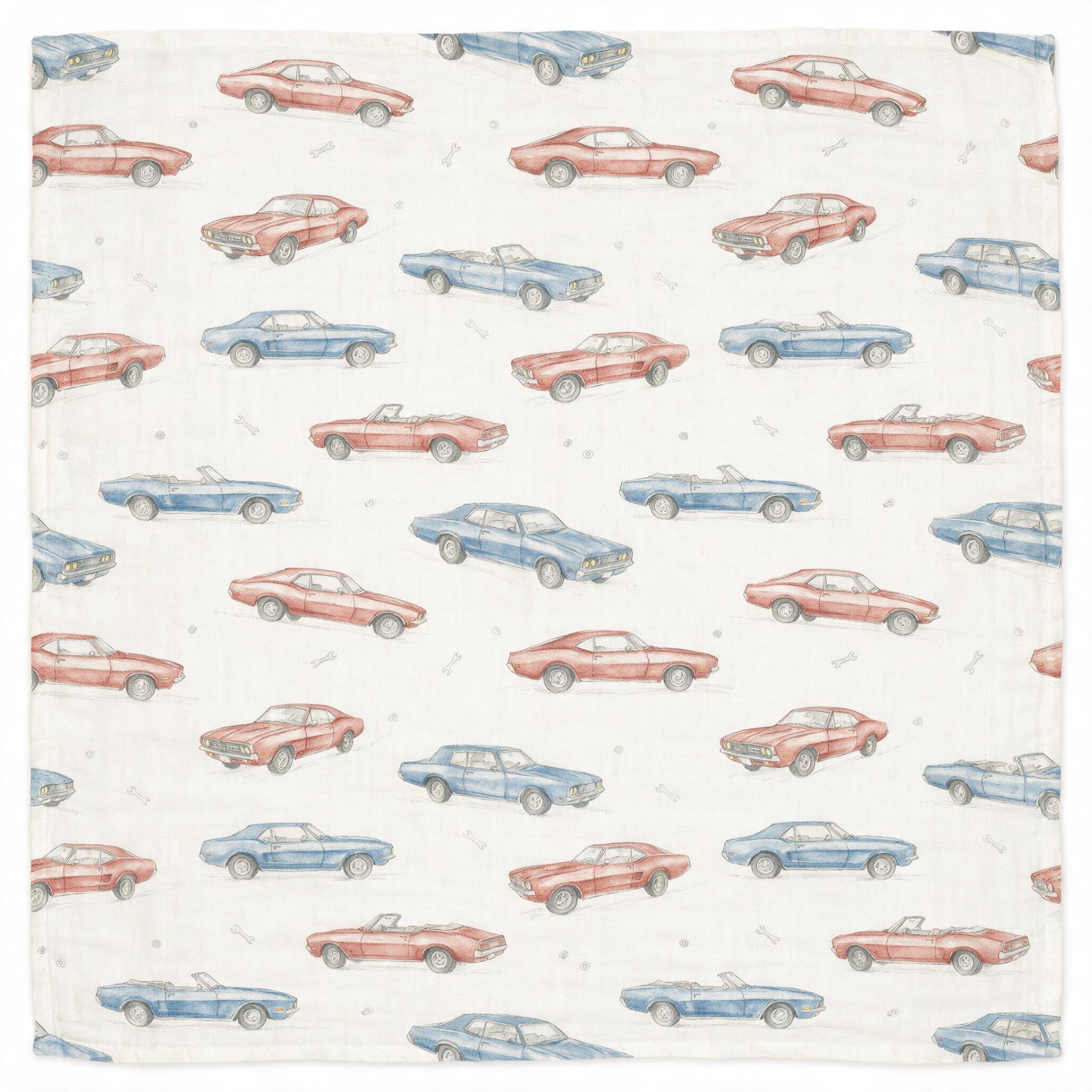
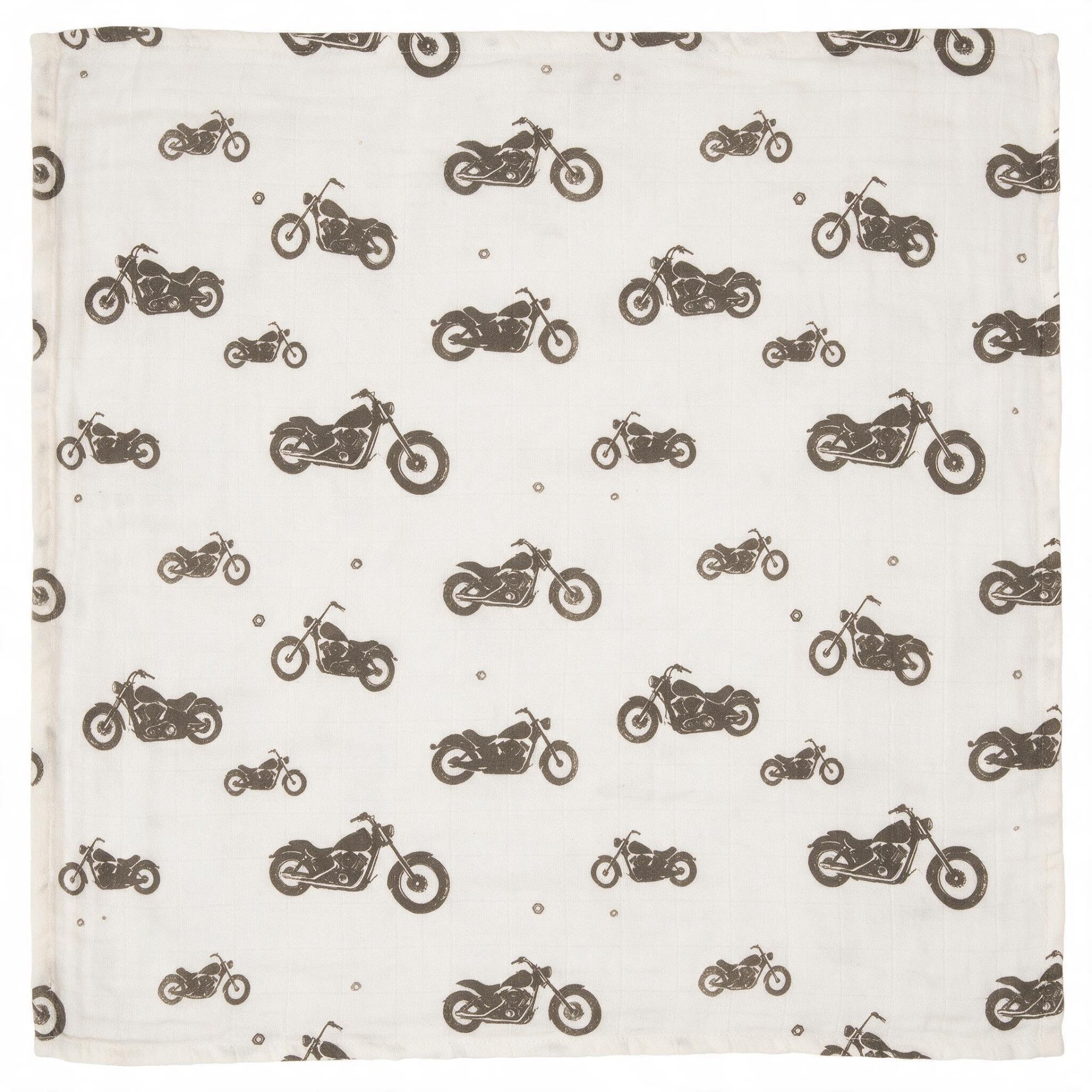
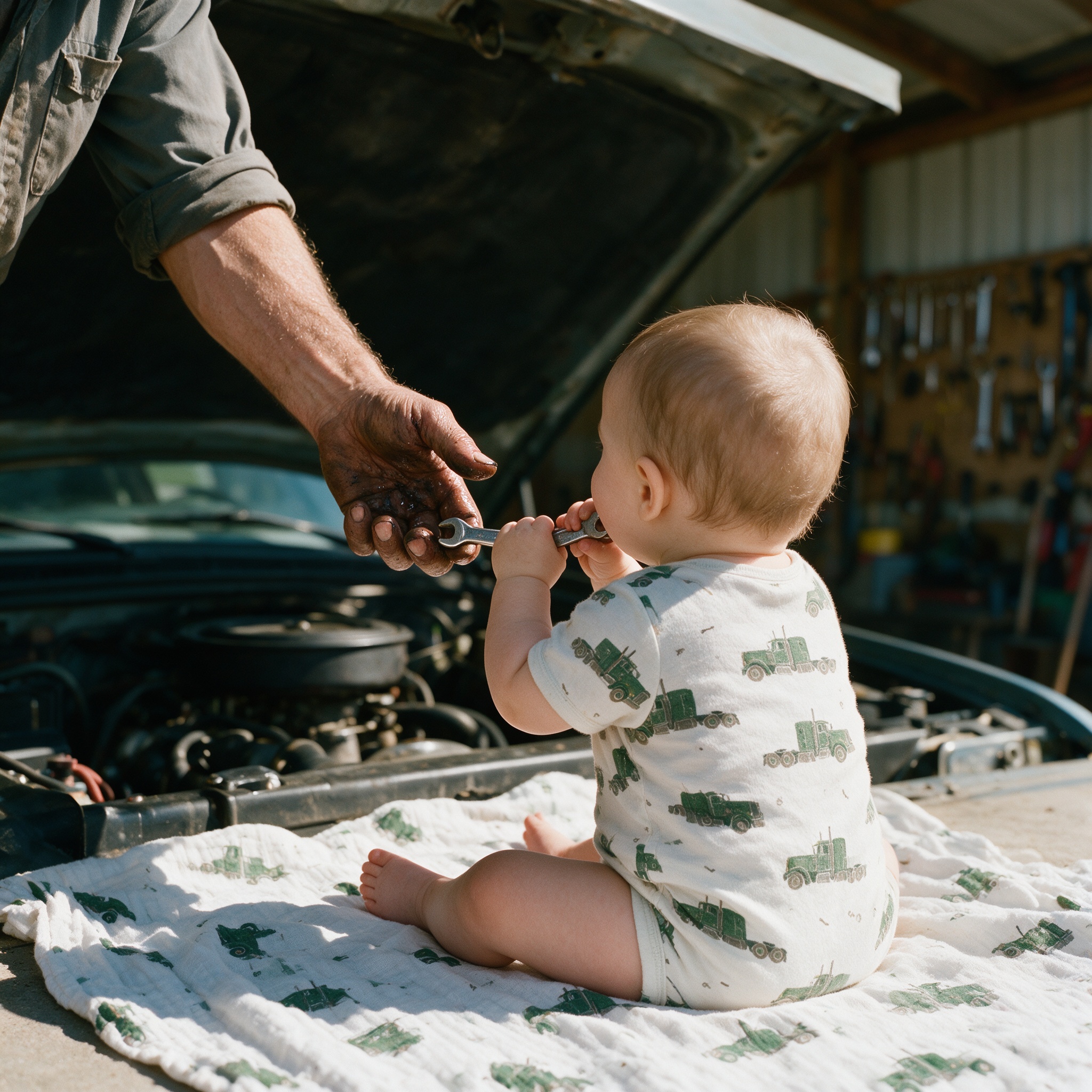
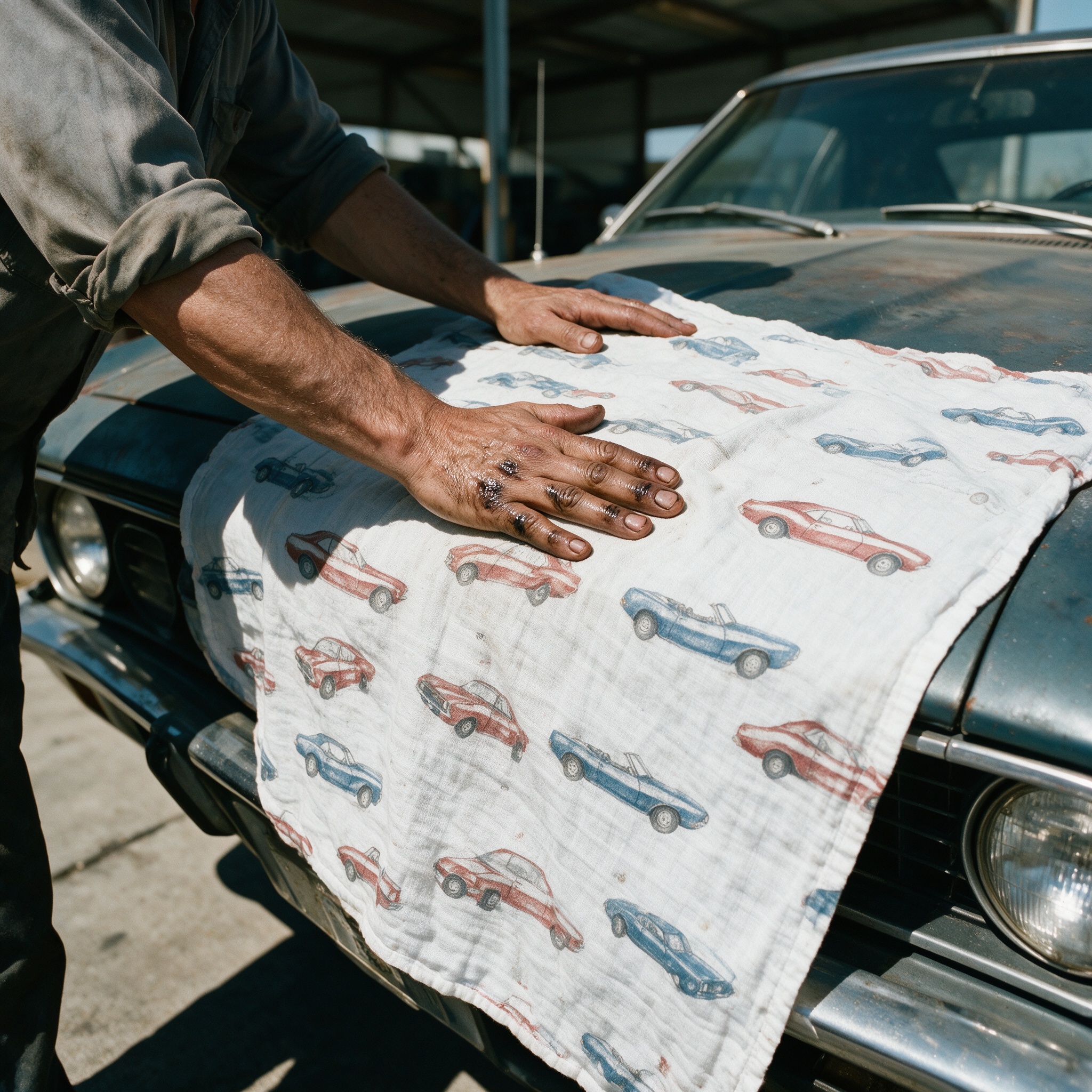
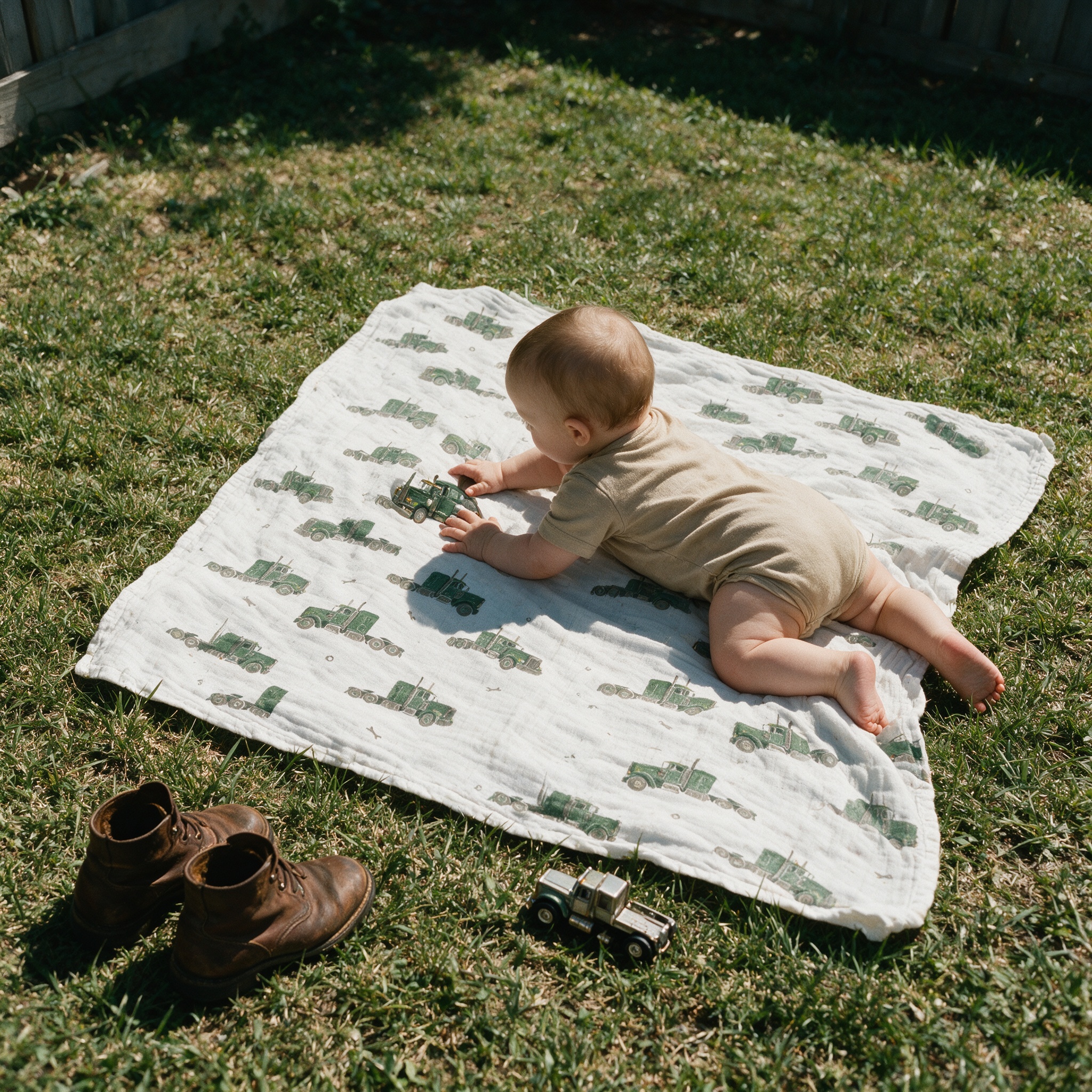
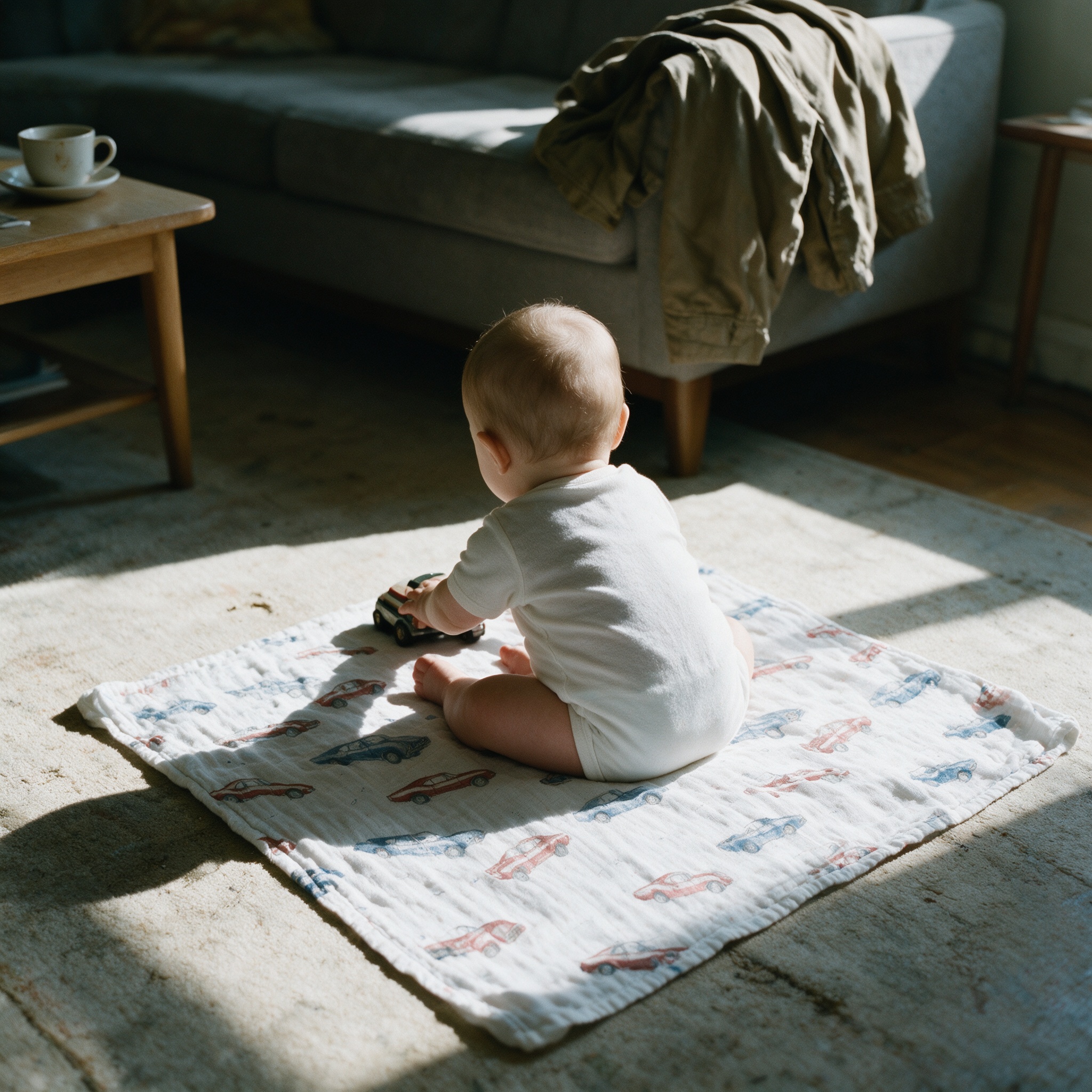
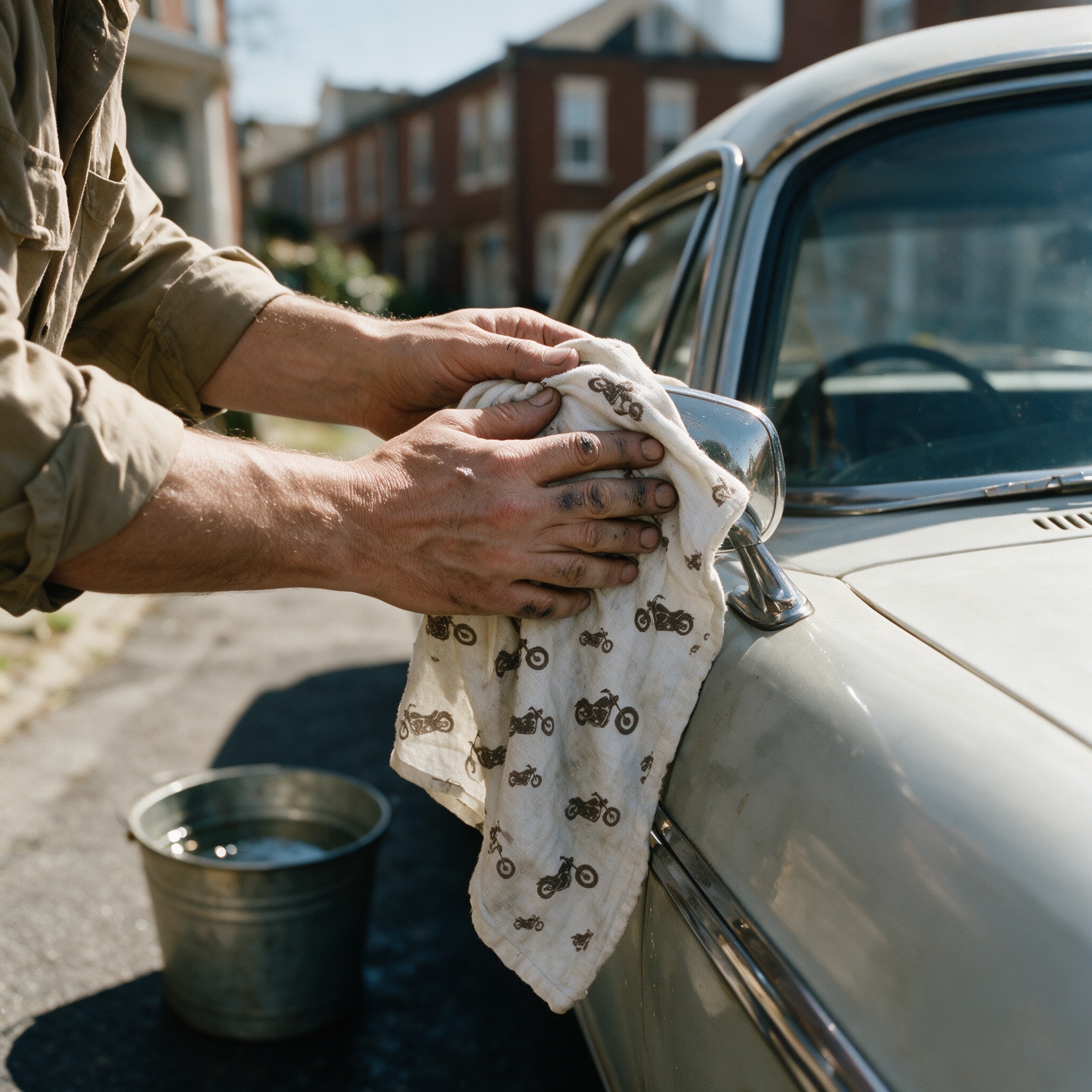

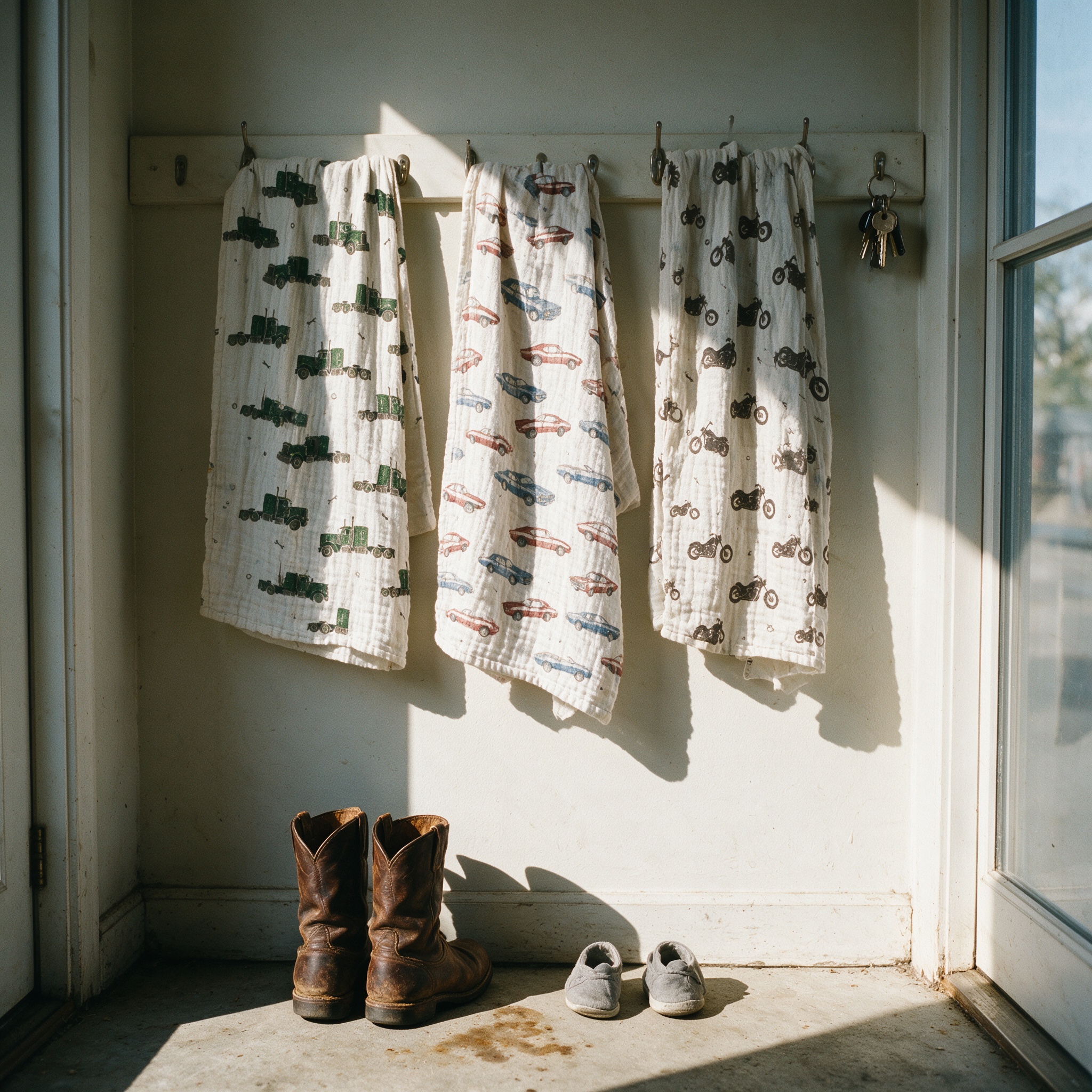

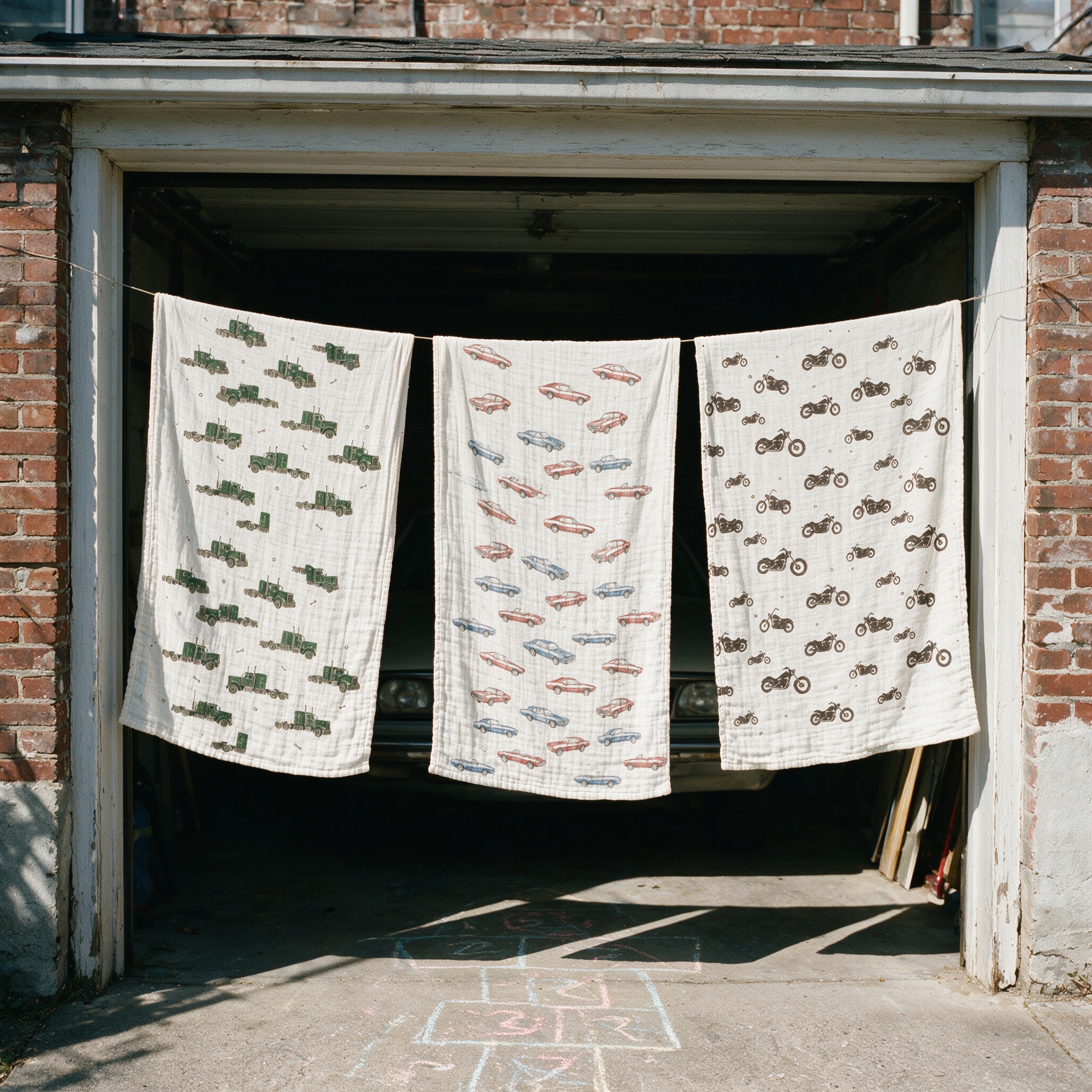
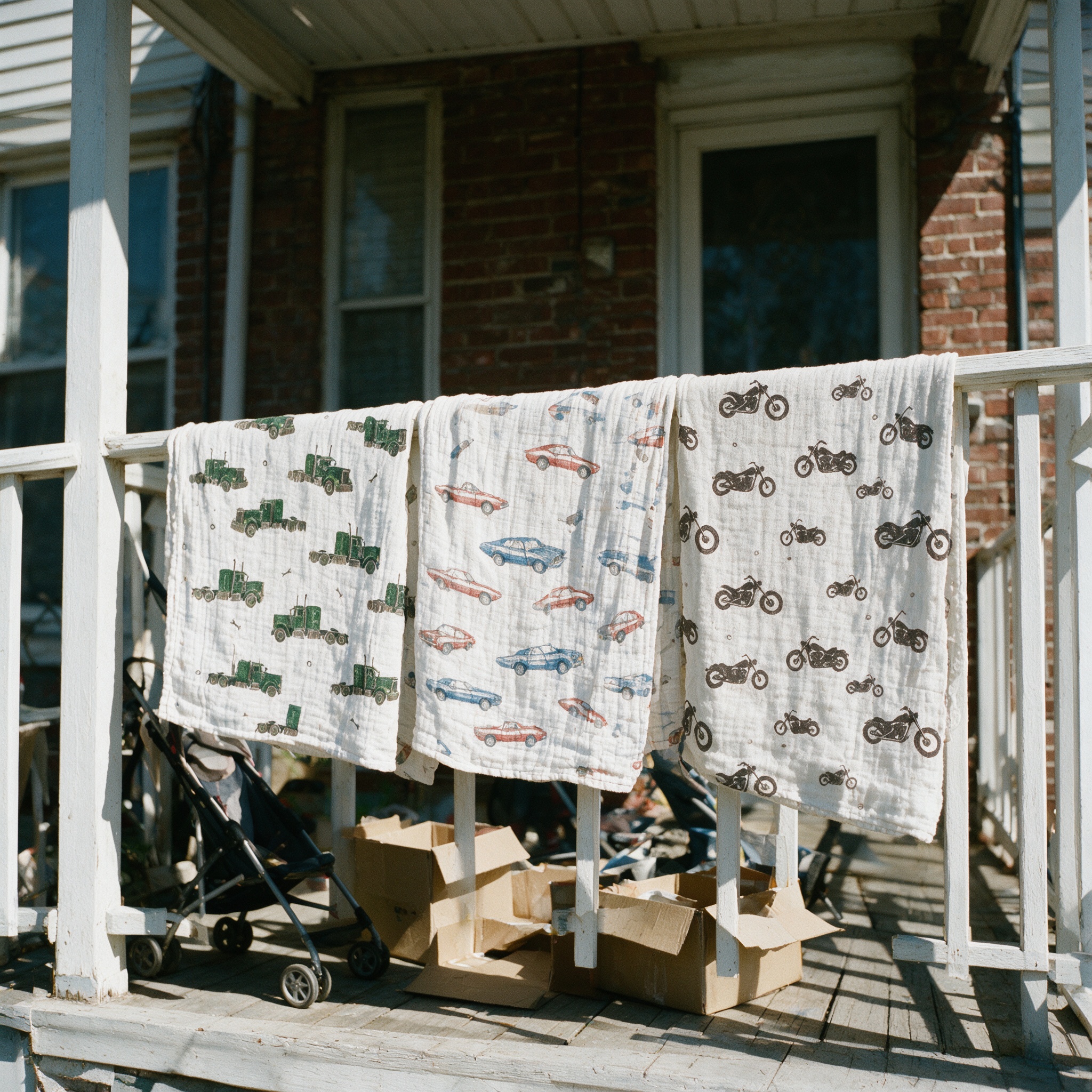
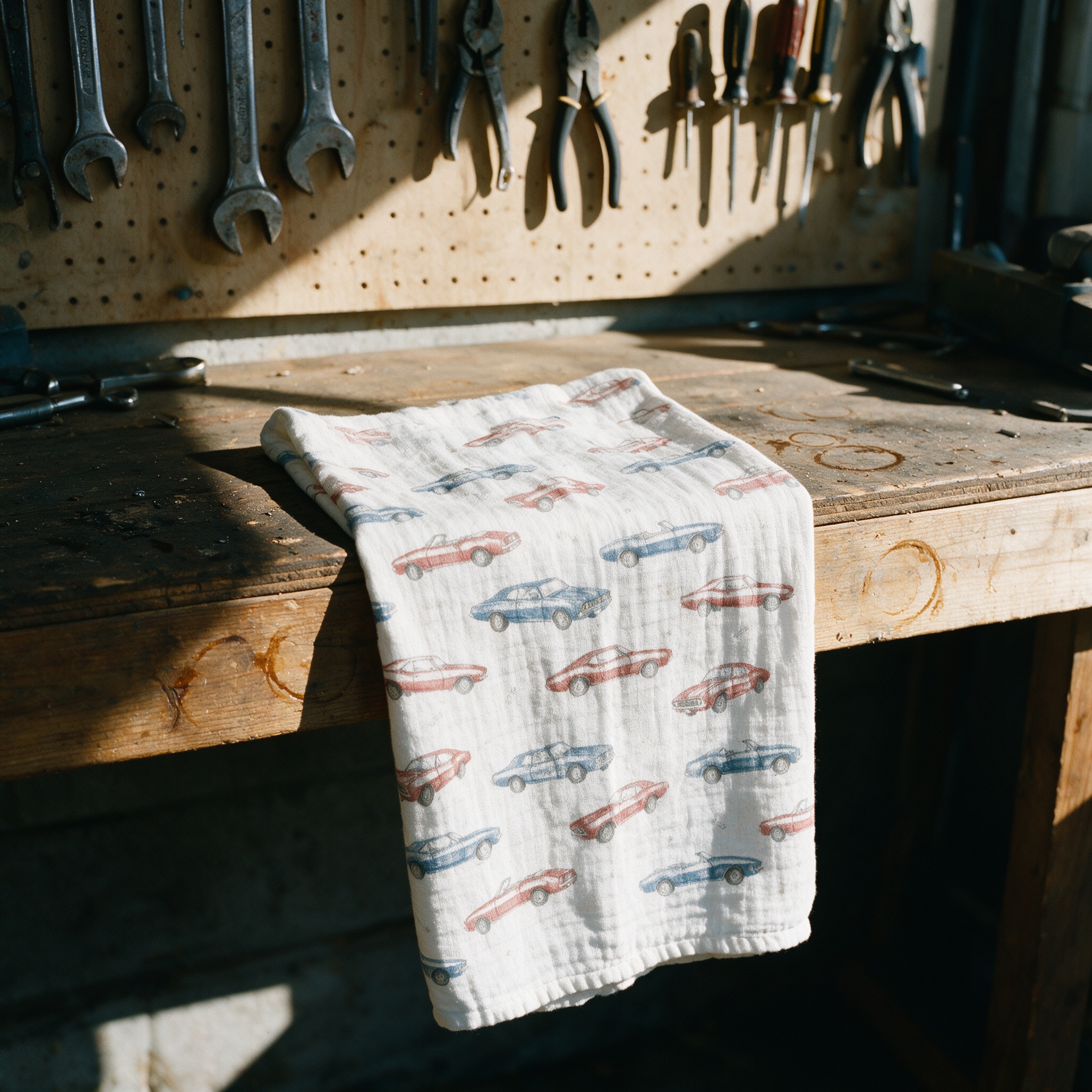
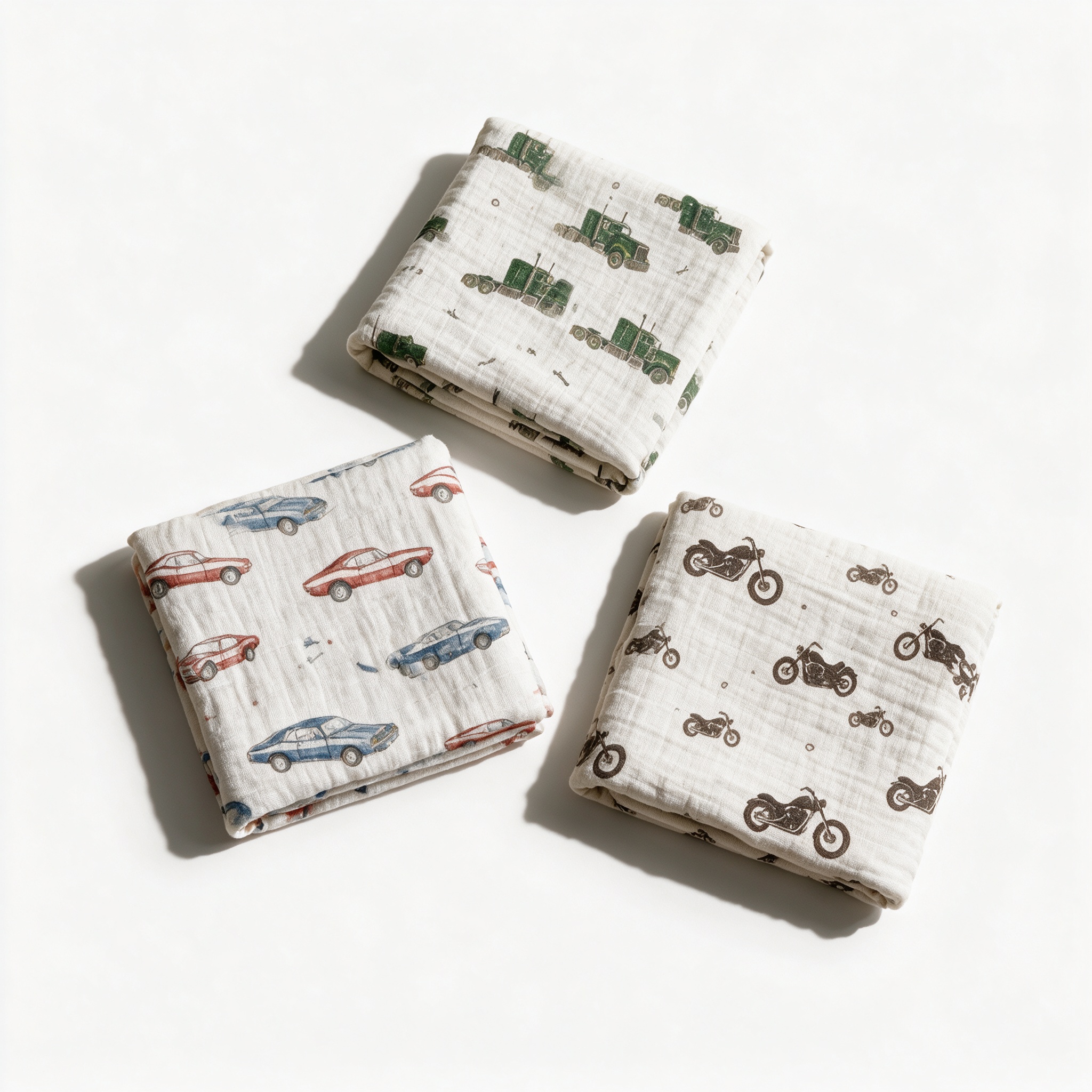
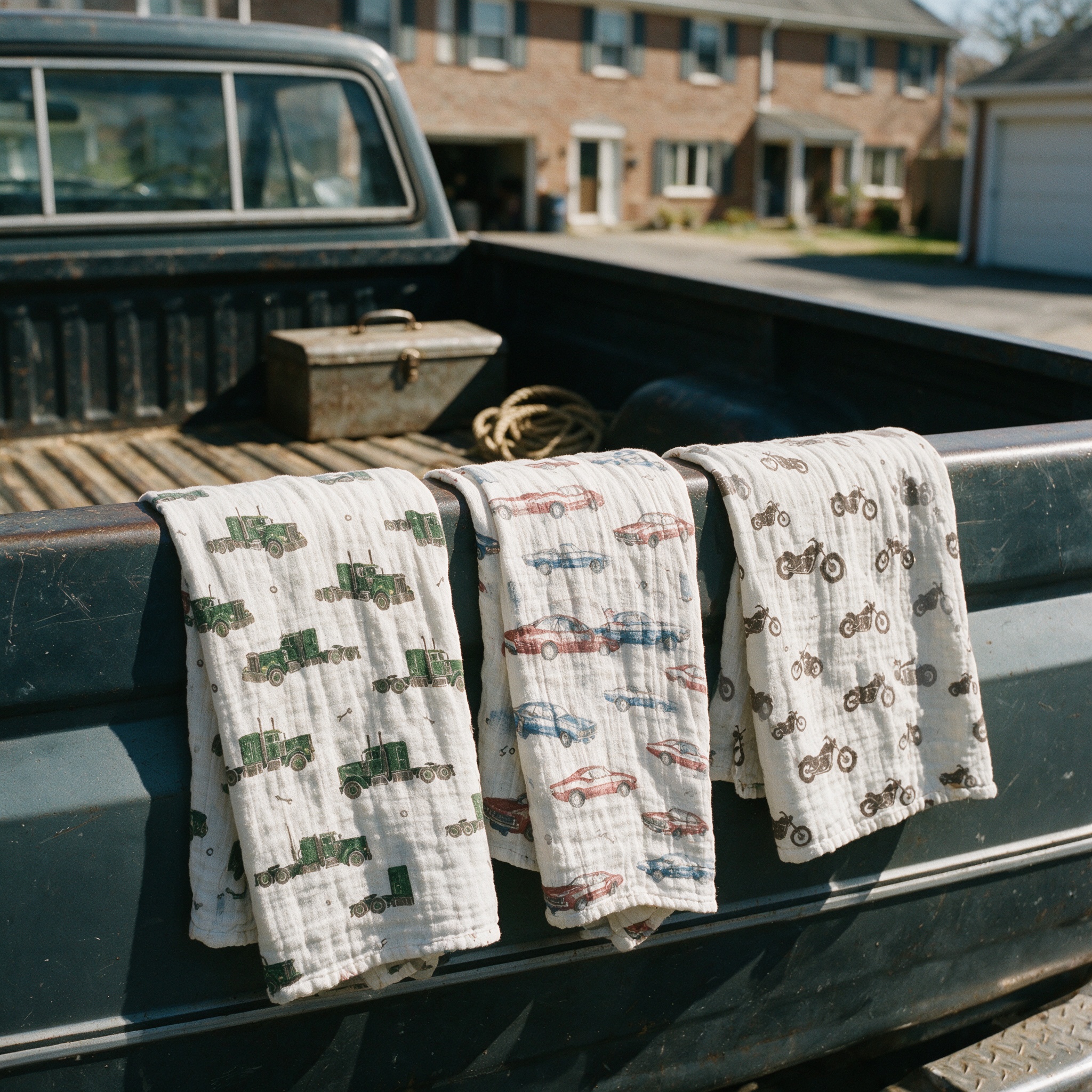
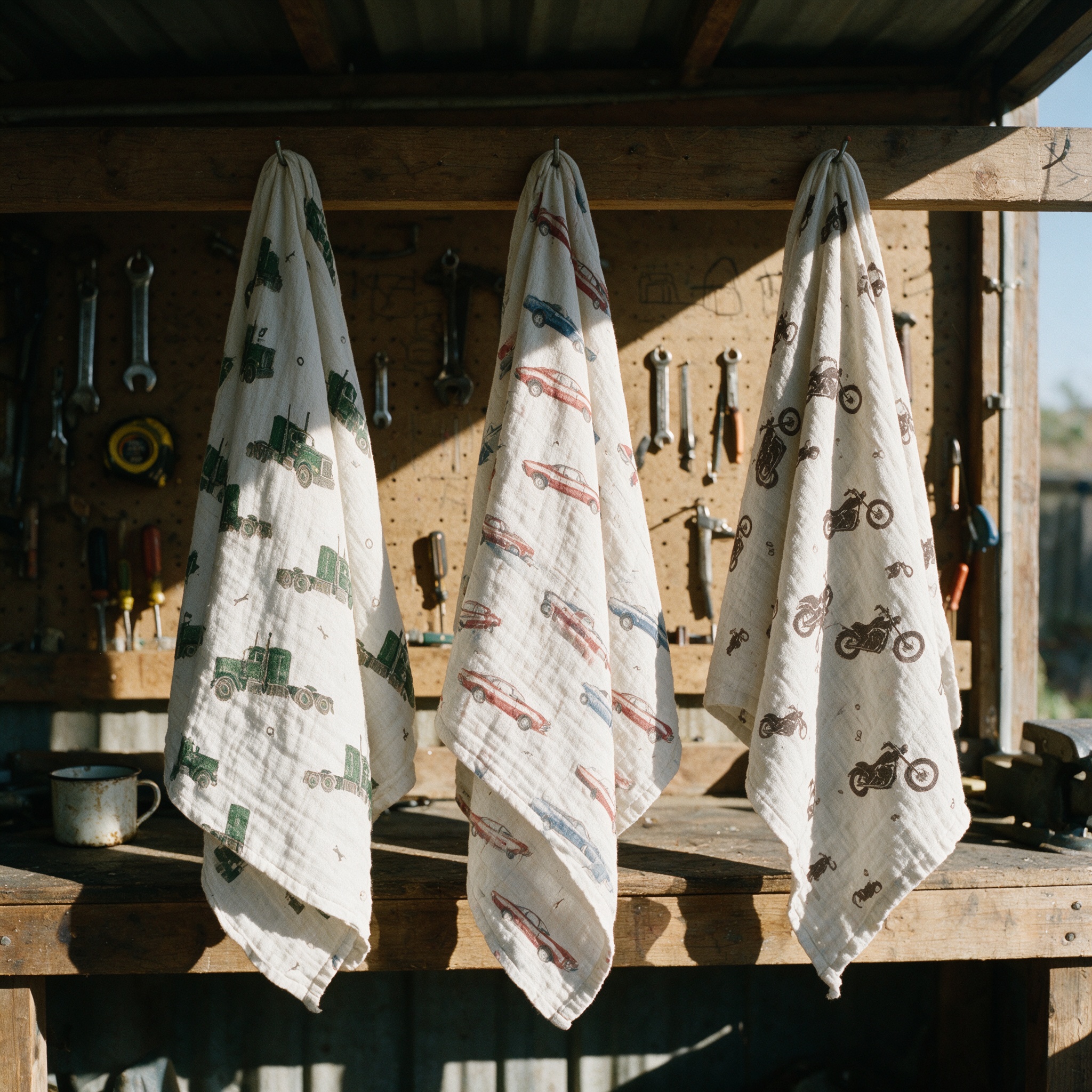
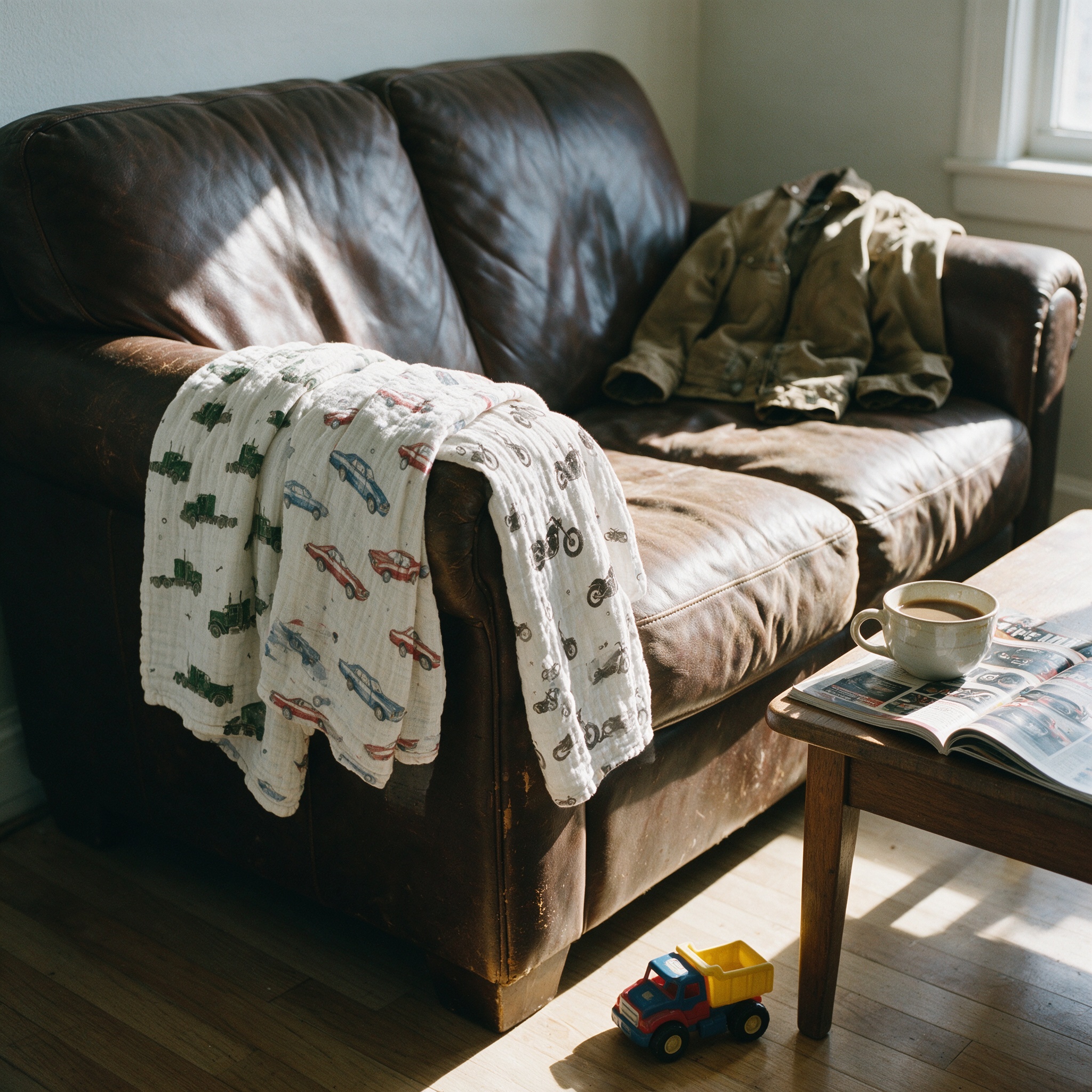
From the garage to the living room — every scene is contained here.
Three kinds of vehicle, one story — the three together are the whole garage.
The long-nose truck, the muscle car, the cruiser — three friends, setting off together.
Dozens of wrenches on the wall — this is Dad's workshop.
Three prints hanging on the door — a small showroom on the porch.
Half the street could see them — the porch line.
Polishing the car on the porch — Dad's hands that never quite got clean.
The long-nose truck is the "workwear leading man" of the American screen — the father in the road movie who drives far, fixes anything, says little. P1 belongs to him.
The muscle car wants speed; the cruiser wants distance — three vehicles, three American longings. P2 and P3 take one each.
In the middle-American home the garage is half a living room: tools on the wall, licence plates from every state, old magazines on the floor. We tell a cultural symbol, not any one family's story.
The rule of the American thread: the pattern recognisable at a glance, the colour memorable at a glance. No story, no eggs — say the culture clearly, leave the rest to the cloth.

Little Atlas Studio · HQ Shanghai · A storybook woven from real places and real memories.